
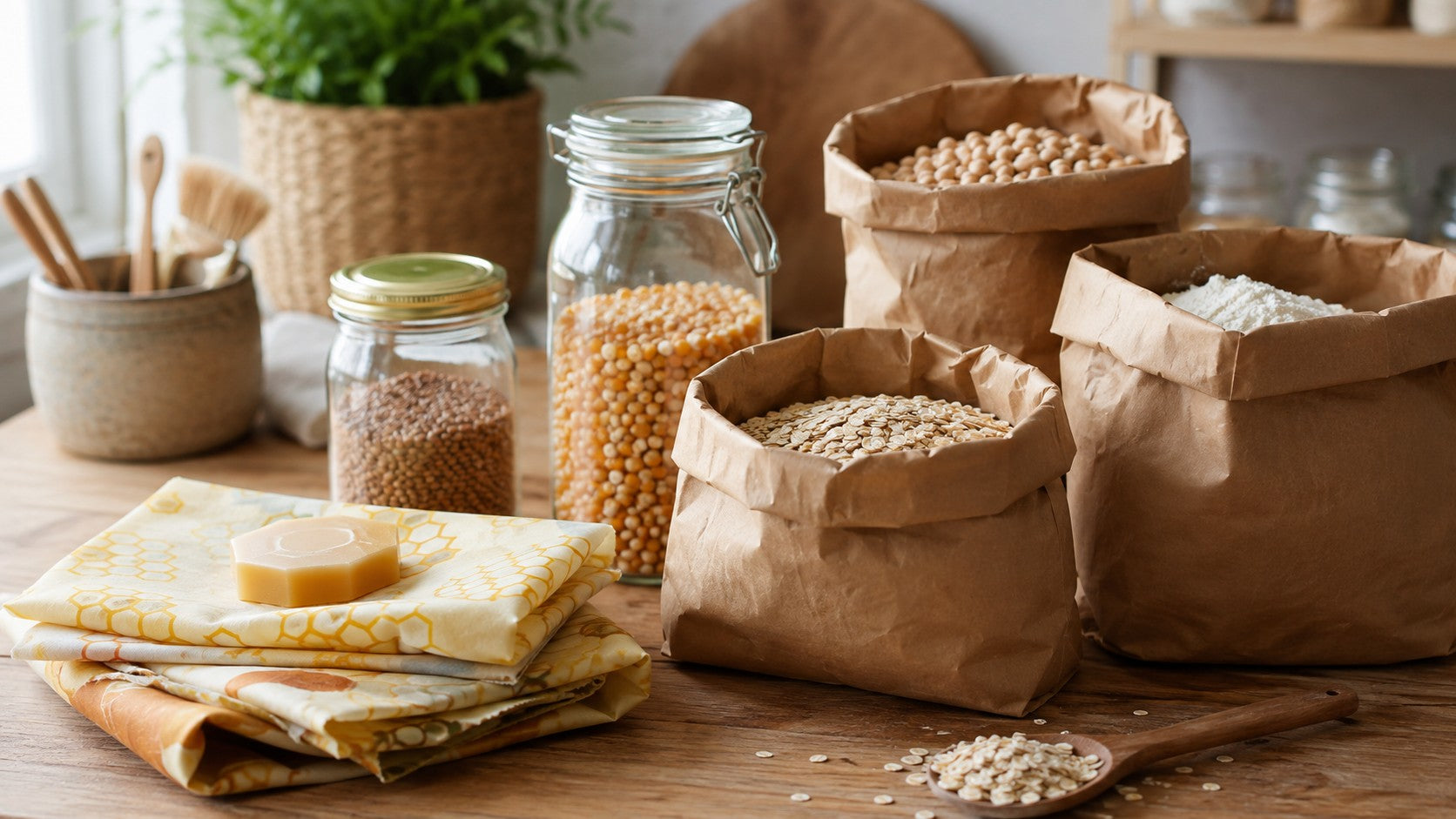
The future of plastic-free food packaging begins in the kitchen
The popcorn is ready, the kids are waiting, and the movie is about to start. It is precisely at this small moment that the big question arises: why does a simple snack need to come with so much packaging material, layers, and coatings that we have no real way of understanding? The future of plastic-free food packaging will not be decided solely in factories or by regulations. It begins with the small decisions we make by the microwave, in the lunchbox, and during weekly grocery shopping.
The direction is clear: people want convenient food, but they are not willing to compromise on control over ingredients, peace of mind at home, or more waste in the bin. Good packaging of the future needs to preserve food, work quickly, be simple to use, and remain as free as possible from unnecessary materials.
Why Food Packaging Has Become a Personal Question
Packaging used to be mainly a wrapper. Today, it is part of the product itself. It touches the food, goes into the refrigerator, sometimes heats up in the microwave, and accompanies us until it reaches the trash. Therefore, consumers are scrutinizing more: what is it made of, does it contain coatings, is it suitable for its intended use, and what is left of it after the meal?
Plastic has become a very common material in food packaging thanks to its light weight, flexibility, and ability to create a barrier against moisture and fat. But its widespread use has also created dependence: single-use packaging, complex layers that are difficult to separate, and the habit of discarding material that was used for only a few minutes. When it comes to home-prepared food, this gap is particularly noticeable. You want to prepare something simple, and in the end, you are left with a complex bag that you are not sure what exactly it contains or where it actually goes.
The transition is not about blame. It's about making a better choice when a suitable solution exists. Not all food requires the same packaging, and not every alternative is suitable for every use. But in places where materials can be reduced without compromising performance, there is no reason to continue working according to old habits.
The Future of Plastic-Free Food Packaging: Fewer Layers, More Logic
The future doesn't have to look like a shelf full of green promises. It can be very simple: packaging that is suited for what it is supposed to do, and not overloaded with what is unnecessary. For dry products, for example, high-quality paper might suffice instead of building a multi-layered wrapper. If the packaging is intended for heating, it should be designed for that from the outset, without shortcuts and without materials the consumer cannot identify.
The important principle is suitability. Plastic-free packaging is not good just because it says "plastic-free." It needs to be safe to use, maintain food quality, be convenient to open and close when necessary, and genuinely reduce waste. The source of the raw material, the production process, and sorting options at the end of use also affect the overall picture.
Paper is a good example of this thinking, but even here, one needs to look beyond the word on the label. Paper can be an excellent basis for packaging, especially for dry foods, but sometimes layers, adhesives, or coatings are added to deal with fat and moisture. Therefore, the right question is not just "Is this paper packaging?", but "What else is in it?". True transparency begins with the small details.
No PFAS and No Unnecessary Coatings
In recent years, more consumers have become familiar with the term PFAS: a broad family of chemicals used, among other things, to create oil and water resistance in various packaging. Awareness is growing because people want to understand what is close to their food, especially when heating it. This does not mean that all packaging is identical or that every material appears in every product. It does mean that we have the right to seek solutions that inherently reduce the need for such materials.
In smart food packaging, the goal is not to add another layer to solve every challenge. The goal is to design the use correctly. Corn kernels, for example, do not need to come soaked in oil or wrapped in a complex casing to become popcorn. When the starting point is a simple raw material, the packaging can also be simpler.
Convenience Doesn't Disappear, It Improves
There's a perception that environmental choices require more time, more tools, and more compromises. In a real kitchen, this simply doesn't hold. A parent returning late, a student between classes, or someone hosting friends isn't looking for a lecture on sustainability. They're looking for a solution that works now.
Therefore, the good food packaging of the coming years will be those that connect convenience with responsibility. There's no need to choose between a pot that requires supervision, oil, and cleaning, and a pre-made industrial bag. You can pour in kernels, close, heat, and season exactly to taste. Less fuss, less mess, and more knowledge about what goes into the bowl.
This is precisely why a dedicated 100% paper popcorn bag can change a small habit at home. It doesn't try to turn popcorn making into a project. It puts control back in your hands: kernels only if you wish, a little salt or none at all, sweet, spicy, or herb seasoning, and added fat only if you choose it. Ecopop bags were built around this idea: natural, clean, ecological, and fast, without plastic, without aluminum, and without industrial coatings.
What to Check Before Bringing Packaging Home
You don't need to be packaging experts to choose better. It's enough to adopt a few simple questions when shopping. Does the packaging clearly explain what it's made of? Does it contain layers or coatings that are not specified? Is it suitable for heating, if that's how it will be used? And is there a way to reduce the amount of packaging in the first place?
It's also important to distinguish between a general promise and concrete information. Words like "green," "natural," or "environmentally friendly" sound great, but they don't tell the whole story on their own. Details about the materials, the absence of plastic, or the absence of PFAS give the consumer a real basis for decision. A brand that believes in its product doesn't need to hide behind vague formulations.
For families, this choice also creates a good conversation with children. Instead of talking about sustainability as a distant concept, you can show it in action: we made a snack at home, chose the ingredients, didn't use a bag with unnecessary layers, and cleaned less. Such habits last much longer than theoretical explanations.
Not All Plastic Disappears Tomorrow, And That's Okay
The transition to plastic-free food packaging is not a switch that is flipped overnight. There are wet, fatty, or particularly sensitive foods that require complex protection to prevent spoilage and food waste. Food waste is also an environmental problem, so it's important not to replace efficient packaging with a solution that looks good but doesn't preserve the product.
The right approach is not "plastic-free at all costs," but less plastic where possible, and no plastic where it is truly unnecessary. This requires innovation, testing, honesty, and an understanding of actual use. For homemade popcorn packaging, for example, a lot can be demanded: that it be convenient, suitable for the microwave, work well, and remain simple and clean in its materials.
The Proof That This Future Is Already Here Is In The Microwave
Everything we have described so far is not a distant vision. The Ecopop popcorn bag is made of ecological paper, without plastic coating and without PFAS, and is designed specifically for microwave heating. You pour in the kernels, close it with the unique seal, and within 2-3 minutes you have fresh popcorn, without oil and without multi-layered industrial packaging.
- Only ecological paper, no hidden coatings
- Designed for heating from the outset, not an improvised solution
- Full control over ingredients: kernels, salt, and seasoning of your choice
- Less waste and fewer dishes to wash
You can see for yourself: A pack of Ecopop bags for natural homemade popcorn together with mushroom corn kernels, a complete snack from two simple ingredients.
The Home Kitchen Is Where Change Becomes Real
Big change doesn't necessarily start with a dramatic overhaul of the entire kitchen cabinet. It begins with one item that feels more suitable for daily use. One less bag with unnecessary layers. One snack where you know exactly what's inside. One choice that proves convenience and health don't have to come with an environmental compromise.
Next time you're making something quick, it's worth pausing for a second and asking: Does this packaging serve the food, or just the habit? If you can choose a cleaner, simpler, and more enjoyable solution, it's not a compromise. It's the way a better future is already entering the kitchen. And if you feel like starting today, a pack of Ecopop bags is a small and delicious first step.
Read more
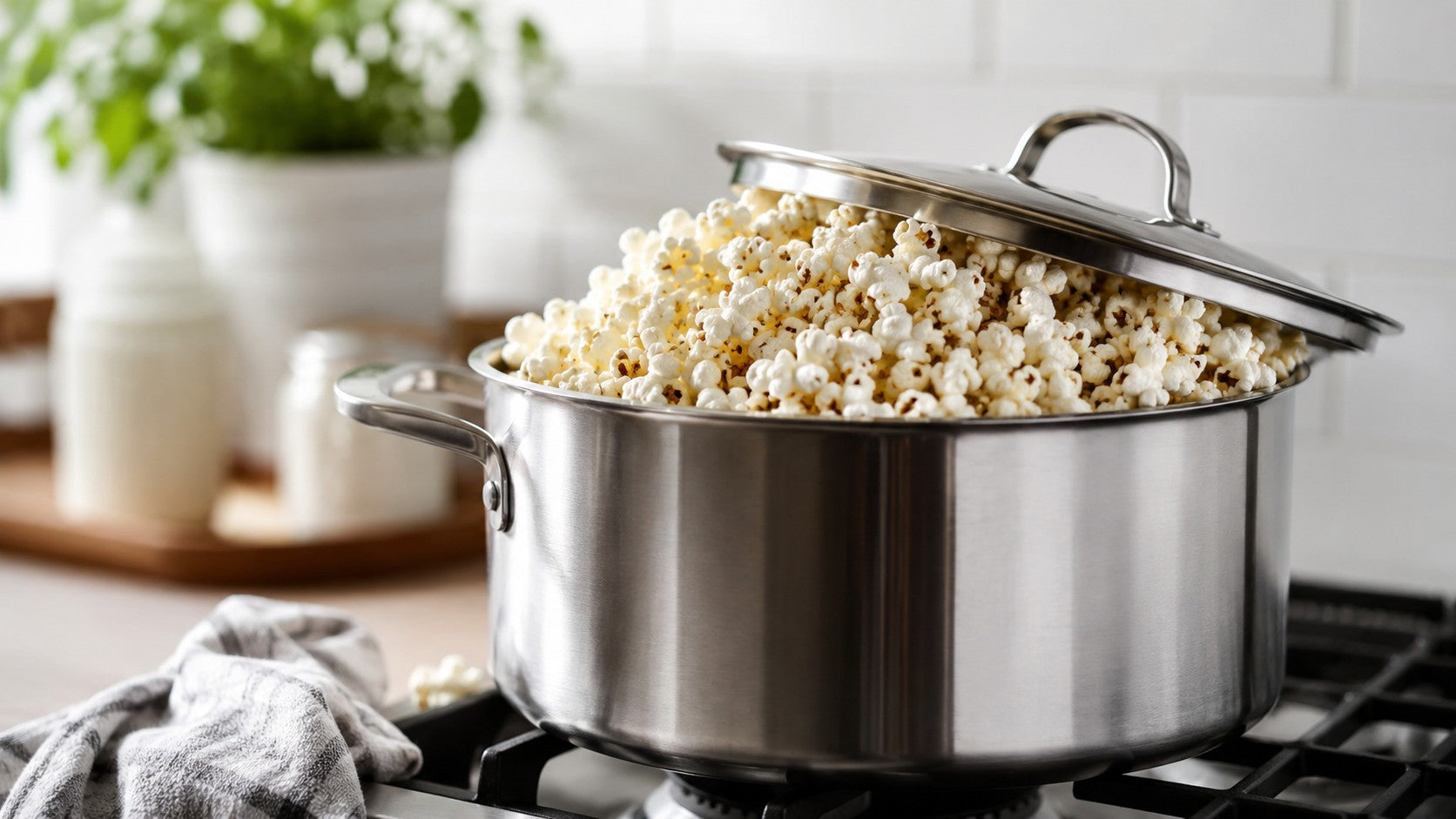
How to Make a Crunchy and Delicious Snack?Popcorn is one of the most beloved snacks, but in many cases, it's made with a large amount of oil, butter, and salt. Those who prefer to reduce fat intake...
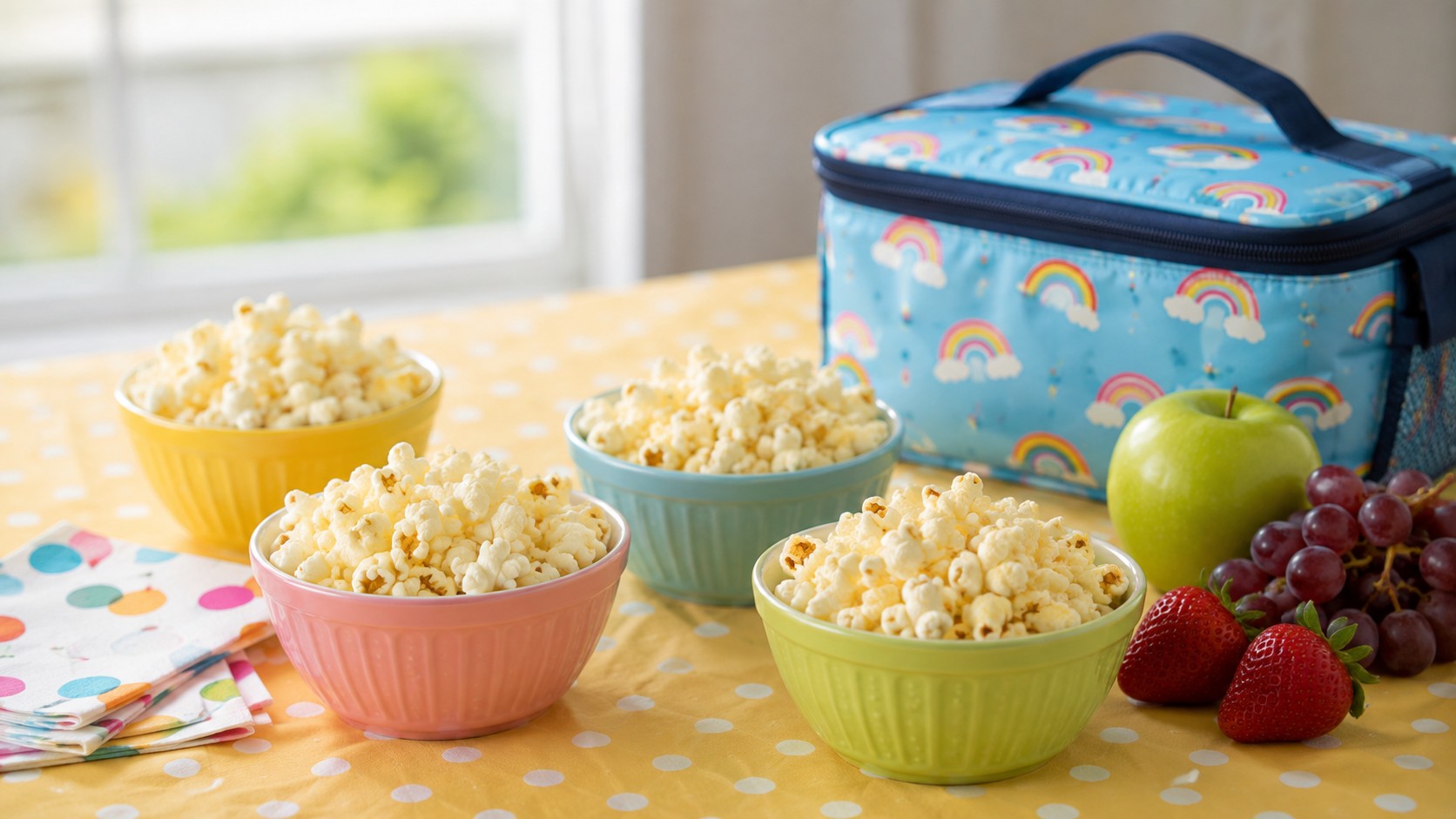
The kids are asking for a snack between lunch and their after-school activity, and you need a solution that won't start with a greasy pan and end with a mountain of dishes. Natural popcorn for kids...